Durham Pride has been in the news – mainly because it nearly didn’t go ahead. The event used to get some funding from the local council, but after Reform UK took over last year, the party said it would no longer fund “politics in fancy dress”, as Metro reports. Then trade unions started fundraising to save the parade – and ended up raising far more than the amount initially cut. Reform’s response is that this just proves that taxpayer money isn’t needed for such things. So far, so 2026.
But notice the emphasis from Pride’s supporters on cross-movement solidarity. Not just because the whole ethos of Pride is “community-building… people looking out for each other”, as one union official told the BBC, or because seemingly different causes often face “remarkably similar” battles, as the chair of the Durham Miners’ Association put it. But also because support for Pride acknowledges a lifeline from decades ago: in the 1980s, the LGBT+ community raised thousands of pounds and provided practical help for striking miners and their families.
This kind of reciprocal solidarity can happen across an even greater time span and distance. In 1847, indigenous Americans sent $170 to starving Irish families during the famine. In 2020, more than 170 years later, Irish people donated hundreds of thousands of dollars to a fundraiser for people in the Navajo Nation and Hopi Reservation, who had been badly hit by the Covid-19 pandemic. Many donors noted the generosity of the original gift – from a poor tribe, the Choctaw Nation, that had only recently been forcibly relocated thousands of miles, during a march on which thousands of people died.
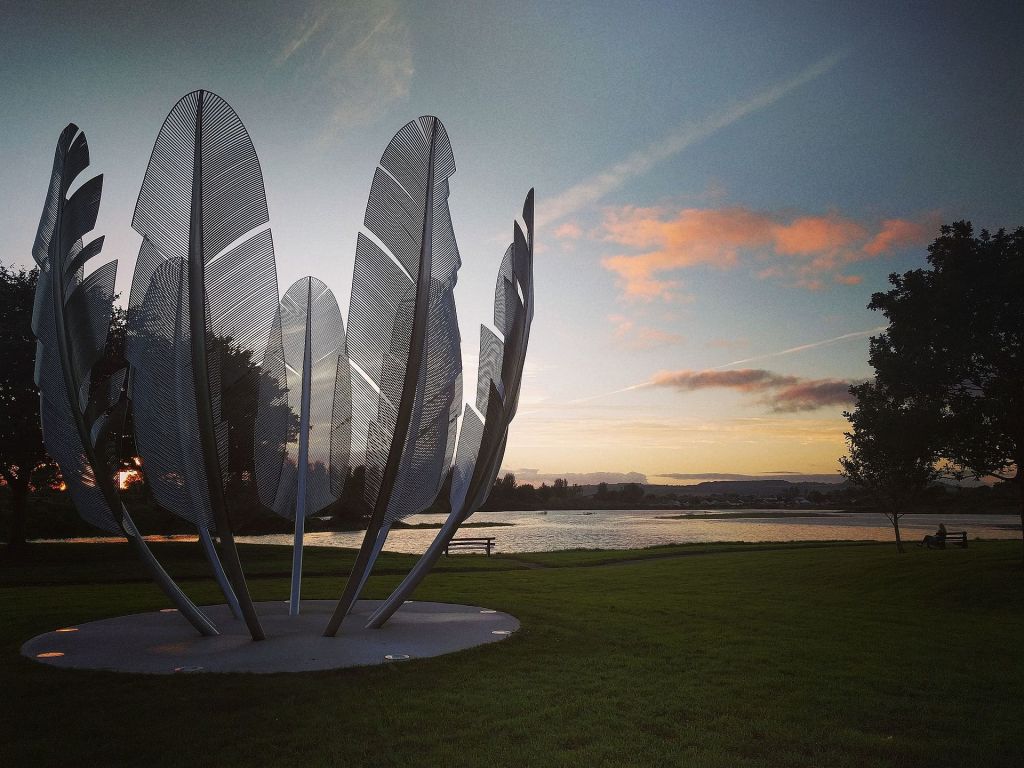
Irish donors apparently discovered the fundraising page via Twitter, the New York Times reported. But the foundations were laid years before, because the story of that gift was kept alive. The 150th anniversary was marked with a visit by the Irish President to the Choctaw Nation; then in 2017, Ireland unveiled a sculpture marking the “kindred spirits” of the two communities, and created a university scholarship for Choctaw people.
Hatred towards an entire group of people gets passed down from one generation to the next. This is all too familiar in Northern Ireland, where I grew up, and in so many other places. When kindness weaves its way through the years, it proves that the opposite can be true, too. The Durham Pride story has been widely shared by those who see it as a satisfying ‘f**k you’ to the anti-equality agenda of parties like Reform. But I think it also captured imaginations because we want reassurance that compassion and care for others really do count – sometimes, in ways we could never have predicted.
Photo: The sculpture in Co. Cork that marks the aid given by the Choctaw Nation during the Great Famine (Gavin Sheridan, CC BY-SA 4.0, via Wikimedia Commons)


Leave a Reply