-
Sparking generosity

It turns out you can make people a bit less selfish just by stimulating certain areas of the brain. Researchers at the University of Zurich asked 44 volunteers to split an amount of money between themselves and an anonymous other person, as BBC News reported. When two particular areas of the brain were stimulated at…
-
From lunatic to everyday hero

How we changed our minds about altruistic organ donors Zell first learned about it in the Wall Street Journal. Shane read a Vox article. Jan heard someone being interviewed on the radio. Zell, Shane and Jan are all nondirected kidney donors – people who gave a kidney to a stranger, having first discovered that this…
-
Do-gooders: disliked – and attempting a comeback
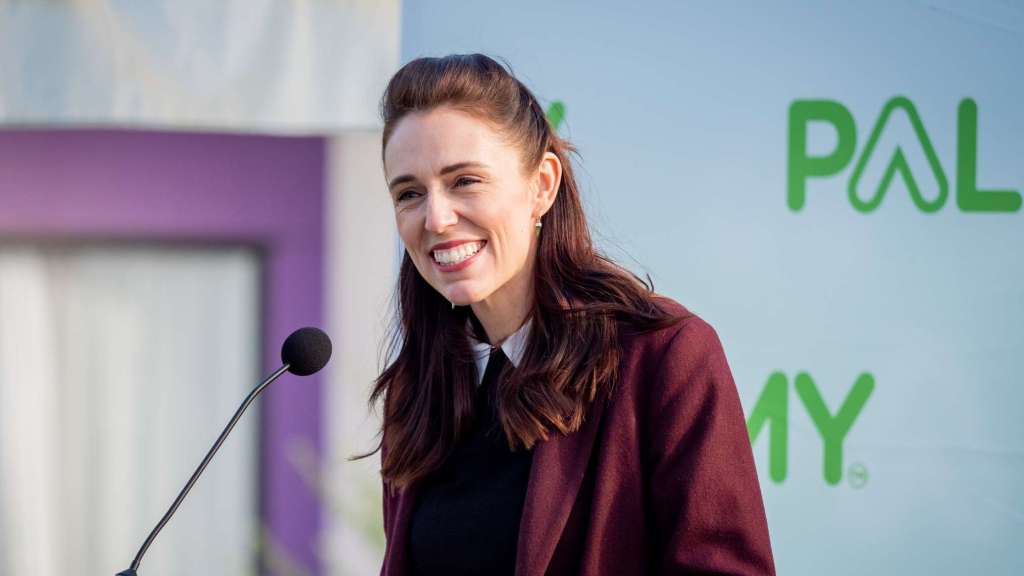
Jacinda Ardern, the former New Zealand prime minister, calls herself a “do-gooder”. It’s an unusual choice: the term is mostly an insult, and she was apparently mocked at school for her do-gooding. Ardern can perhaps pull it off – she was an unconventional PM, and for years has been arguing that kindness can co-exist with…
-
Why study philanthropy?

I’ve just graduated with an MA in Philanthropic Studies at the University of Kent, the UK’s first and only master’s course in this subject. Studying a whole degree in philanthropy sounds a bit niche to most people. (What even is philanthropy, some people wonder. One of our lecturers says she’s been asked more than once,…
-
Who decides who gets the money?

Guerrilla Foundation is the rebellious teenager of European philanthropy. Many foundations avoid uncomfortable questions around power; Guerrilla Foundation, which backs activists and grassroots movements around Europe, is out to “radically and deliberately redistribute wealth” – and to have some fun with it along the way. Until 2022, however, its grantmaking process wasn’t all that unusual. A…
-
A different centre of gravity

When things feel fragile and frightening – when even PR emails refer to “this clusterfuck of a year” – it’s hard to know where to focus your energy. One answer comes from something the comedian/musician/actor Tim Minchin said not long ago. Explaining why he had switched off from social media and breaking news updates, he…
-
When someone’s struggling, ask them to help *you*

When he meets someone who’s struggling, Maff Potts relies on six words. “Could you do me a favour?” It’s counter-intuitive, but it’s never failed him, he says, even in extreme circumstances. Someone may be distraught, aggressive, or feeling utterly desperate. Instead of immediately trying to fix the problem, ask them for help. Can they offer…
-
What does generosity actually look like?

Brits are becoming less generous – at least according to the World Giving Index, described as the “world’s leading study on global generosity”. The UK has typically ranked in the top 10, but in the latest index it’s in 22nd place, its (joint) lowest spot yet. This is not a new worry. In 2021, analysts…
-
Facing the future: how do we help unborn generations?

Acting on behalf of our descendants isn’t a new thing. Indigenous groups have long practised “seventh-generation thinking” – making decisions based on how they will affect people far into the future. Europeans began building enormous cathedrals that they would not live to enjoy – because it was the “right thing to do” for their children…
-
The addictive curb-cut effect

I recently wrote about the rise of online ‘body doubling’ – websites where you meet other people on a video call for an hour or so, then get on with your own work, silently accompanied by someone else doing the same. These spaces seem to be particularly valued by people with ADHD, who often struggle…
-
Subscribe
Subscribed
Already have a WordPress.com account? Log in now.
 How can we help