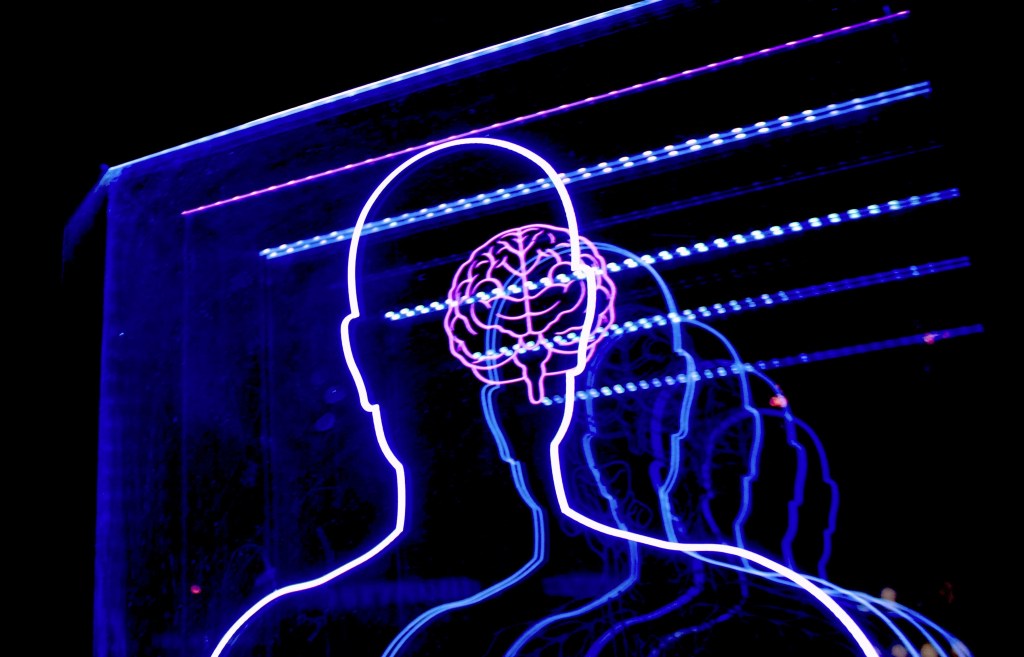
It turns out you can make people a bit less selfish just by stimulating certain areas of the brain.
Researchers at the University of Zurich asked 44 volunteers to split an amount of money between themselves and an anonymous other person, as BBC News reported. When two particular areas of the brain were stimulated at the same time with an electric current, participants gave more generously. Though the difference was “not huge”, it was consistent.
Why does this matter? It tells us more about what drives our altruistic choices, and why some psychiatric and neurological disorders (like psychopathy) cause selfish behaviour – which “may offer a promising start for developing intervention tools”, the researchers write.
But what about developing tools to make everyone more altruistic?
It sounds whacky, yet many of us already use things that alter our behaviour or mood – drinking alcohol to feel more sociable, for example. We prescribe drugs to help people feel less anxious or depressed. Seen in that light, finding ways to make us a bit kinder doesn’t sound so extreme. And interventions might not need to be drastic: the philosopher Julian Savulescu points out that judges give out harsher sentences when they haven’t eaten recently, something we could easily counter “by delivering glucose in a more regulated way”.
Savulescu takes this a good deal further, though. He has argued that it’s a not only a natural human desire but even a moral obligation to try to improve ourselves. His reasoning: if we can develop drugs or even genetically enhance humans to make them morally better, don’t we have a responsibility to do so?
It’s an interesting thought experiment, but there’s something pretty uncomfortable about turning it into reality (in an interview, he agreed that this would be eugenics, but defended it as being a “liberal” kind). Even the much more moderate Zurich experiment might make you nervous. Charity is more than an act of generosity, says literature and theology professor Michael Hurley. “Intention matters too… morality only makes sense if it is chosen.”
The researchers say that brain stimulation would only nudge someone, perhaps in a situation where they were unsure, rather than influencing them significantly. It would also be highly unlikely to be used without the person’s awareness or consent. Meanwhile, many other (often unregulated) forces like advertising or social media shape our views and decisions – without us realising it.
Nudging isn’t just about tech: charity fundraisers also prompt generosity – by suggesting specific donation amounts, personalising appeals, or reminding people that they could consider a good cause in their will, for example. One study found that asking people what they thought was “the morally right thing to do” when they saw a stranger in need, just before inviting them to donate, increased their donations by 44% on average. That kind of nudge feels a lot closer to the “chosen” morality that Hurley describes.
We are all being influenced, for better or worse, by forces around us. While we figure out how to rein in the malicious influences, can we carefully and ethically develop positive influences?
Photo by Bret Kavanaugh on Unsplash
 How can we help
Leave a comment